4 Valuable Connections I Made During My Travel
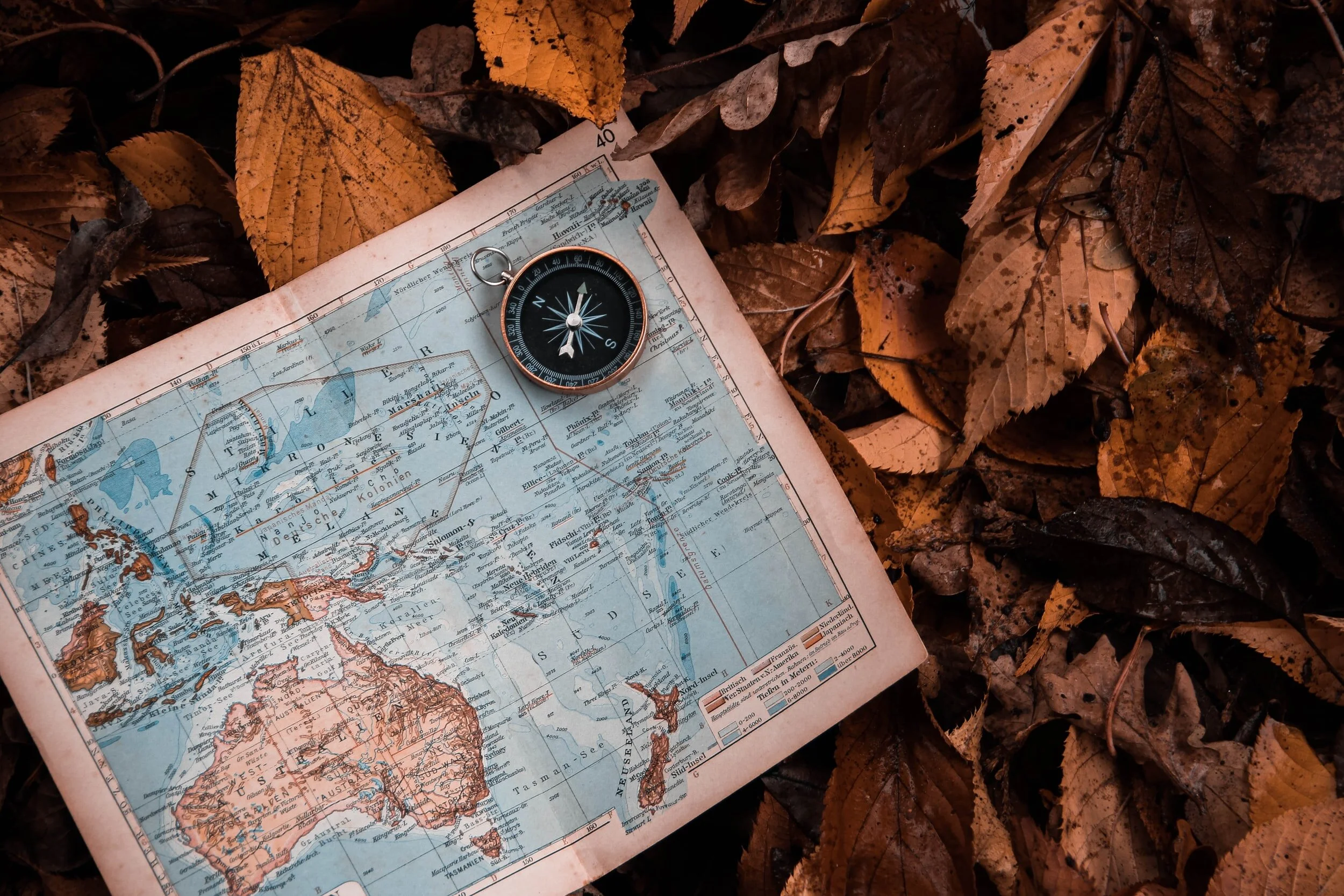
emma-louisa--P8ptLiGFII-unsplash.jpg

I love discovering things about the world! I never felt that being in a foreign country was anything intimidating or confusing. I mean, it was more something that I wanted to experience.


And I wanted to connect with people of different cultures. Traveling is important to me, to appreciate the gift of having the freedom to travel, and the inspiration that came from making friends with people around the world.

Understanding that there is a connection between all of us, no matter where we are from, where or how we live, or the circumstances that shape our realities, deepens our gratitude and acceptance of all walks of life. There’s inspiration available in all places and kinds of experiences.

Here are 4 valuable connections that I made and lessons I was taught during my travels around the world that helped shape me into the person I am today:


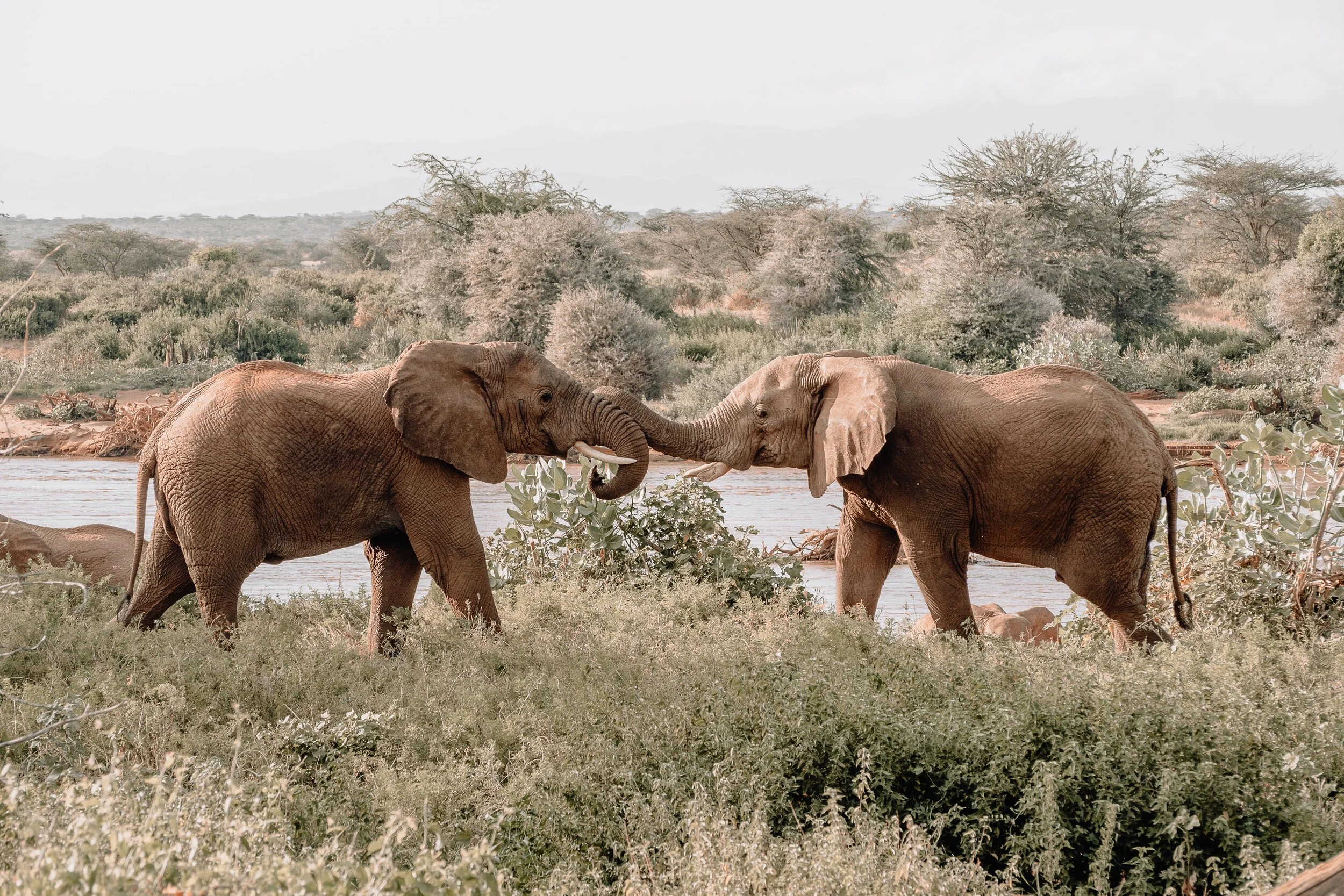
1.  Elephants in Kenya

On my first safari in Kenya, I saw an elephant up close. I remember having this moment where I was looking into this being’s elephant's eyes. I didn't point my camera at her, I was just looking at her. And I felt she was looking at me. I just had this incredible feeling of being moved and being touched. 

I became obsessively curious about elephants. And so while I was in Africa, I asked tons of questions and learned as much as I could. I realized that what the elephant represented for me, was this incredible wisdom. And this maternal love, that makes the elephant so remarkably important. The elephant is a manifestation of wisdom and the retaining of memory.

 2. Zen Buddhist in Mexico

When I was living in New Mexico, in the early 90s, I went and visited a very wise woman. She was a bodyworker and also a Zen Buddhist. She was telling me while she was working on my body and helping me, she said, “You've got a tremendous amount of pain in your body, a tremendous amount of suffering.” And she was using these hot stones and moving them back and forth. 

And I said, “Yes,” and she started to talk to me about meditation. She said, “if you go and if you practice meditation, you can help. It will help you” 

She said, "It's very simple." And then she illustrated how simple it was. She said, you just breathe, you breathe in, you breathe out, you breathe in, you breathe out. You give kindness to yourself, as you breathe in, you try to wish yourself well, you breathe out. And there was something about the way she offered that gift that changed my life.

 3. Peace in Nature

Africa was probably one of the most transformative places I've been! Because even from the very first time I was there, I felt privileged to be there, that it was a gift to me to be able to be out in the wild, with people teaching me about the wild, about the land, about the animals, about all of it.

One of the revelations I had was how small human beings are in the vast landscape of the world. I mean, we are little dots, and you look at the landscape, and you have this vastness with trees and grasses and all this beauty. And, then a variety of wild animals. It's their kingdom, it's their place, and you're a visitor. You're small in comparison to them. And I loved the feeling that I was all of a sudden, small, and that there was this vastness that I was watching and beginning to understand.

You can feel like your nervous system calms down and gets quieter and more peaceful. I remember that happening in Africa, just looking at that vast landscape. It felt that I would become peaceful, just being there.

 4. Humanity and Humility in India

 When I went to India, I was astonished at the generosity of spirit despite the dire poverty and deprivation (in some places). So, in other words, you can be generous even when you're as poor as dirt, you know, when you don't have anything. And so there's a level of sort of spiritual understanding and India, I believe, or a sense of the embracing of all humanity, that means there's no relationship to your economic status. 

By embracing all of humanity, there’s a sense of well-being within the culture, that accepts all people no matter if their floor is made of gold or dirt. And to witness the humility of spirit and the generosity of the culture was very moving to me to see that. 

No matter where you have been in the world, you’re likely to find people who are more similar to you than you might imagine at first glance. What connects us is more than what meets the eye on the surface. By embracing the similarities and differences between us we are drawn together more so than we are divided. 

These are just some of the many wonderful connections I’ve made during my travels around the world which have unfolded lessons that have shaped me as a person today. 

Which places have you traveled to that have left a lasting impact? What are some of the meaningful connections you made from those places, or people? Leave a comment, I’d love to hear from you!


Photo by Emma Louisa on Unsplash
Mag Dimond
4 Ways to Cultivate Daily Gratitude
photo-1619871336199-68e7dd448587.jpg

Did you know that our bodies release dopamine, the feel-good chemical, when we practice gratitude? A grateful mind does more than just make us feel better about our life.

A daily gratitude practice supports a healthy mind and body. Gratitude literally rewires your brain. MRI imaging shows that gratitude activates the hypothalamus and can improve sleep quality, stress level, and metabolism. It’s easy to be grateful when things are going like we want. But how can we give thanks when we’re in pain? When we’re suffering? 

1.  Accept that you are part of something larger than yourself.

As part of my gratitude practice, I remind myself that I’m part of everything else. Yes, I have my own desires and talents, but I'm part of this bigger family of humans. It’s easy to get caught up in your own head. But, we’re all human with the same basic needs and wants. When we stop focusing on ourselves and our circumstances, we connect to the bigger picture. We stop wasting our time trying to change things out of our power, and accept that this is our part in the world.

 2. Meditate every morning.

Morning meditation is part of my gratitude practice. I meditate at home with my dog, Peaches, and with my cats, Jackson and Bella. But I also can meditate when I’m at the park. The thing about meditation is that you can do it anywhere, anytime… even when walking!

Meditation grounds you in the present. The more you’re in the present, you begin to realize that the present moment isn’t that bad. There’s something to give thanks for in it. And, that present moment evolves into another present moment. So over time and with practice, you begin to see the amazing impermanence of everything. If you’re able to embrace impermanence, then you can reduce your suffering because you’ve learned that things come and go. 

When we accept that things are constantly changing, we are able to go with the flow.  We no longer feel like we have to try and arrange the world to our liking. Things are as they are, and there’s peace once you accept that. Even when you experience a loss, it’s easier to cope if you remember that things are constantly in flux.

 3. Practice compassion and loving-kindness.

Western culture teaches us that our brains are the seat of our power. But our brains do not have all the answers. Many mental health issues stem from being too caught up in our own heads. When we let go of the idea that we can reason ourselves out of any situation, we’re able to live from our hearts. Letting our hearts lead allows us to empathize with our fellow humans.

 When we practice loving kindness and compassion, we see others as an extension of ourselves. So, if they hurt us, we can forgive. It’s easy to practice gratitude when we let our hearts lead.

 4. Create a gratitude journal.

 Journaling is very therapeutic. It’s one of the best things you can do for your emotional well-being. Documenting what we are going through helps us make sense of it later. If we do not write down our experiences, there is also a good chance that we will forget them altogether.

 A gratitude journal is a way to practice gratitude every day. Each day, you can find something new to be grateful for. By writing down what you’re grateful for instead of just thinking about it, you give flesh to your gratitude. And, it has a snowball effect. The more things you record, the more you’ll find to add to the list.

 Some days, gratitude will come easier than others. But the hard days are when you need gratitude the most. If you’re feeling stuck in negativity, practicing one of these four gratitude building tips can help you get back to positivity. And, if you’re really stuck on what to be grateful for, rereading your gratitude journal can help spark fresh new gratitude.


How’s your gratitude practice? Does it need work or is it going strong? Leave me a comment!

Photo by ABDULLA M on Unsplash

Mag Dimond
5 Habits That Helped Me Become A Better Writer and Better Person
mathilde-langevin-8yfxnVyi4XQ-unsplash.jpg

Our habits define us. That’s why good habits need to be cultivated. In my 70+ years of life, I’ve learned many habits – some good, some bad.

Our first instinct in life is to shy away from pain. We all have our struggles and challenges to overcome. Once we’re done with a traumatic experience, we want to pack our feelings away and forget it ever happened. But, our efforts to avoid discomfort and suffering often lead to bad coping mechanisms. 

The way we cope and how we handle the unexpected says as much about us as our words.

Here are 5 habits I’ve cultivated throughout the years:

1. Keep a journal.

From a very young age, I kept a journal. Writing daily in my journal is an act of self-love. It helps me improve my writing skills as I process my feelings. It’s a cathartic release and a safe place to get it all out. There is no one right way to keep a journal. It's the act of creation that's important. 

2. Embrace pain and suffering as well as happiness and joy.

Our writing is shaped by our most difficult experiences. Without that cancer diagnosis or divorce, would our work even be what it is today? But we often shy away from the hard things. We want to close that chapter of our lives and move on. But that doesn’t let us explore the true depth of our feelings. And, nothing is better fodder for the imagination than our own sorrows. So, I’ve learned to lean into the discomfort and sit with my suffering a while. Instead of pushing the pain away, I embrace it. It’s made my writing richer and more nuanced.

3. Indulge your curiosity.

As a child, I was always eager to learn. My love of travel grew out of a desire to try new things and discover new places. As writers, we must constantly challenge the status quo. It’s up to us to ask “why” and “how.” It’s in our spirits to examine and reexamine things. We use our writing to discover truths about ourselves and about the world. Sometimes, we don’t know how we feel about something until we’ve fully explored it through our writing. So, ask your questions. Seek out new experiences. Indulge your curiosity. If we want to write well, we need to live fully and experience it all.

4. Remember that you’re human.

The most poignant writing touches on the things that bind us. As humans, we’re all striving for connection and significance. We’re looking for meaning in life, and we look to one another for that meaning. Like when I travel...

I record my thoughts and experiences in my journal and with my camera. What I found was that I wasn't separate from other people. In traveling, I felt a natural communion with people wherever I went. And when I embraced that sameness, my writing is the better for it.

5. Don’t seek perfection.

During one of his visits to the U.S., the Dalai Lama met with several psychologists. They discussed how here in the U.S. we hold ourselves to an impossible standard. The Dalia Lama shared that the very idea of self-doubt was confusing to him. As a Buddhist, he sees self-doubt as a product of society, not something intrinsic. We all spend way too much time chasing perfection. In Western culture, self-criticism is as natural as breathing. So when you write, do so for the joy, the healing, the play. Don’t seek perfection because there is no such thing.

 Throughout my life, these five habits have helped me be a better person and a better writer. They have helped me lean into my discomfort, accept my imperfection, and explore my feelings. 

When we welcome the messiness of life, we grow as writers and individuals. When we live authentically, we naturally write from a place of raw honest truth.

What habits do you use to be a better writer? Do they help you as a person, too? Leave me a comment. I’d love to hear from you!


P.S. Photo by Mathilde Langevin on Unsplash

Mag Dimond
4 Valuable Life Lessons I Picked Up In My World Travels
unsplash-image-Y6tBl0pTe-g.jpg

For many of us, it is a dream to travel the world. This is especially true throughout the past year, as we’ve been confined to our own neighborhoods during the time of COVID-19 pandemic.

I have been fortunate to be able to visit various places like Africa, India, Bhutan and Venice and am now reflecting upon the lessons those travels have taught me. 

To dedicate yourself to discovering your own answers to some of life’s questions for yourself is a wonderful gift. I have been fortunate enough to have had an incredible opportunity in this, having lived abroad at a very young age, but it was not until my travels as an adult that I was truly able to understand how rich the world is outside the United States where I now live.

As a child, I was always eager to learn things and as an adult, I am always looking for answers to my questions. I’ve always loved to read, and all the reading and studying I did in school became fuel for me to think about traveling and going to different places, which I was able to do, later in life. The lessons I learned on my travels have taught me about myself, others and how we all relate to each other in ways that we cannot always see.

These are just a few of the wonderful connections, experiences and life lessons I've had during my travels in these four incredible places:

1. Connecting with Culture, and Nature in East Africa

When I got to Africa, I recognized that our customs and traditions were different, but that did not separate us from each other as people. In Africa, there was a feeling of being one with my fellow human beings and nature, despite our differences. Africa was one of the most transformative places I've been.

During my first visit, I had this great sense of privilege in being there. It felt like it was a gift given to me to be able to be out in the wild, with people teaching me about the land, and the animals who lived there. One of the revelations I had was how small human beings are, in the vast landscape of the world. When you look out at the East African landscape you see a vastness with trees, grasses and all these beautiful aspects of nature, with the great variety of wild animals. This is their kingdom, their place, and as a person, you're just a visitor. 

Africa taught me to see that we should not be trying to dominate nature, the animals or to control the landscape. Rather, we humans should be living in harmony with it. It is very refreshing, as a human being, to be alleviated of this responsibility that you're the most important thing in the universe. We have to let go of this feeling of you are everything. Because the truth is that we are part of what everything is, but we are not it all ourselves. And in Africa I was able to have a deeper understanding of that truth.

2. A Fortunate Friendship in Bhutan

When I was in Bhutan, I formed a wonderful alliance with a man who called himself “Karma”. He was my guide for 10 days. He told me that he had once tried to enter the monastic life but he admitted with a smile that he didn't have the discipline to do so. Instead, he became a travel guide and that way, he got to meet a lot of people, and I knew right away that I was lucky enough to be one of those people. We didn't do any trekking, like many people do in Bhutan, but we did a lot of road trips to monasteries and different villages. He talked to me about the traditions of the Bhutanese and about their way of living. I had an extra camera during my trip so I gave it to him and we both took photographs together. I was fortunate to be invited by him to see a private family cremation. It was an astonishing experience for me, and probably one of the most striking and dramatic events that I witnessed, in any of my travels. I got to be a participant in a quiet way, and watch the family who are witnessing the burning of their matriarch. That was an astonishing experience and it wouldn't have happened had he and I not hit it off so well and developed trust, and friendship. I would never have seen that type of sacred ceremony had it not been for the man who called himself Karma, and was my guide for those 10 days.

3. Remarkable Discoveries in Venice

Marvelous discoveries can sometimes come out of getting lost. I had an extraordinary encounter in Venice, Italy, with a young man named Johnny Bosco. Johnny had a little print shop that I discovered by happenstance.The whole place smelled of ink and books and there was beautiful paper everywhere. You could tell by the notes that were stuck on his wall that people from all over the world had found him and left a memory within his shop. I learned that Johnny did everything manually - there was nothing technological in his print shop. In talking with Johnny, I then learned that he had apprenticed with some monks, who taught him some of the secret techniques of the printing endeavor. I love the idea of how we learn things by just working alongside other people, and that Johnny was sticking to the traditional teachings that have been passed down for generations. Every time I go back to Venice, I seek him out. I had him print some business cards for me and every time I look at one of the cards that he's made for me, I flashback to that tiny little print shop filled with these beautiful things and people from all over the world. What I love about this is that Johnny’s print shop would never have shown up in a guide book. You would just have to discover him, by getting lost in Venice.

4. Generosity of Spirit and Humanity in India

When I went to India, I discovered humanity and was astonished by the depth of it, expressed by the people of India. Despite the dire poverty and deprivation there, I felt the generosity of spirit, the warmth and the kind of sense of being invited in. I learned that you can be generous even when you are poor as dirt, or when you don't have anything. There is a level of spiritual understanding in India, I believe, or a sense of embracing all of humanity, that means there's no relationship to your economic well being. This was so clearly demonstrated by the culture and their way of life, and that was very moving for me to see that and to learn that lesson in that way. 

These are just some of the ways travel has impacted my life in meaningful ways. I am grateful for the opportunities that I've had to travel the world, especially now that we are so confined to our own neighborhoods, during the COVID-19 pandemic.  

Which places have you traveled to and what are the significant lessons you’ve learned from your travels there? Leave a comment, I’d love to hear from you!


P.S. Photo by Ibrahim Rifath on Unsplash

Mag Dimond
3 Tips for Writers That Want to Write A Memoir
qijin-xu-kLiUO2I8Ajc-unsplash.jpg

What is a memoir? Have you been wanting to write your own?

A memoir is a record of events written by a person who has intimate knowledge of them. Writing a memoir allows us to share our personal experiences, hero’s journey and life lessons with our readers, but it is no easy task.

Are you finding yourself in the process of writing one, but are stuck somewhere in the middle?

Here are three helpful tips to guide you in your journey of writing your own memoir:

1. Speak from your true self.

I would like to share some advice given to me from a fellow writer: encourage people to speak from their honest place. We both agreed that the best kind of memoir is when the writer is blatantly giving their best and most honest self to the book.

Just be real, no matter how weird you think your writing is. That’s going to be the best stuff you’re ever going to generate. Trust your heart, and trust what you’ve got inside of you. Don’t believe the negative energy that gets generated.

There is a Buddhist-type saying about what the mind does to make us suffer. The mind is very obsessive and is not always constructive. A teacher said to me, “Don’t believe everything your mind says to you.” If you’re looking at what you’re writing, and your mind is jumping in and saying “Oh, that’s nonsense,” don’t believe it.

Treat what is coming out of your mind with real clarity, and then operate from your true self.

2. Be patient.

The exciting ideas aren’t going to come whether you like it or not, just because you want them to come. They’re gonna come when they come. And if you keep working at the writing, you’ll help generate ideas, but you’ve got to be patient.

If you take it slowly, then you see the unfolding of your work. You understand it better. This should not be a race. It’s not just about getting something done, it’s about experiencing a process and trusting that process.

Allowing yourself to slow down and understand the vast amount of ideas that are coming out of your mind is very important.

3. Have a place that is dedicated to writing.

It doesn’t have to be anything fancy. It could just be a simple table somewhere. The important thing is, when you go to this place, that’s where you’ll be writing.

Having a consistent space and surrounding to work will signal your brain that this is your time to write now. It should be a place that’s dedicated. You don’t check your emails, you don’t watch movies, you don’t have snacks or any other of your daily activities in this area. You just write.

Writing a memoir is a way to leave your legacy through sharing your personal experiences, lessons and hero’s journey with others. Who knows who your memoir might inspire?

What other tips have helped you write your own memoir or book? Leave me a comment, I’d love to hear from you!

P.S. Photo by Qijin Xu on Unsplash

Mag Dimond
3 Tips for Writers to Cultivate Mindfulness
1_tcmN91Z38XnnbZlOSx2F6Q.jpeg

There never was a time where people needed mindfulness more than right now.

When confronted with the pain we find in the world, how do we as writers remain connected to the peace within us, and help it become peace on earth? How can we possibly keep our minds on what we want to create and write about when there is so much to be concerned with in the state of the world’s affairs?

Amidst such suffering, how can one possibly remain calm and find that peaceful place to begin a fresh, thoughtful story or meaningful message?

These are some tools and strategies to help you sink deeper into the peace that comes from within, so you can open your mind and your heart to write and share your stories with others.

1. Cultivate compassion and self love.

In my experience, one of the major gifts of mindfulness is the cultivation of self love and of compassion for yourself, in your human predicament, and for your fellow human beings. When I started practicing mindfulness in my Buddhist practice, I realized that I felt this absence of love in myself. With time and practice, I also saw that I was able to cultivate this love by concentrating on certain kinds of phrases, by staying calm and by slowing down.

It’s an amazing journey to go on. You can have an expanded sense of your worthiness and certainly that you know the value of all human beings around you, without judgment.

This is a good thing to focus on if you practice regular meditation. Your goal is already to be centered and calm and at one with the universe, so expand that feeling to include acceptance of all parts of yourself.

2. Diminish suffering by opening your heart.

Open the door to the idea that through your own well-intended actions, and loving kindness, you can make a difference in the world. And in your own view of yourself and there and therefore, minimize or diminish your suffering.

Alone, you cannot expect to change the lives of everyone in the world. But you can improve the world of one person near you, and by doing so you will reduce your own suffering. This can take many forms. If there is a charity or service group near you, you might decide to volunteer for them. On a smaller scale, you could take some time out of your day to check in on a friend who maybe needs some extra compassion in their life right now. The important part is to act with kindness and to focus on the needs of others.

3. Embrace the idea of impermanence.

One of the key pieces of Buddha’s wisdom is that everything is impermanent, that nothing lasts. People who try to make things last, cannot succeed in that. So when you can embrace the idea that we live in a world where nothing is forever, that everything is always transforming itself into something else, then all you really have to fall back on is your own sense of understanding of this and acceptance of it. There are times in life where you just have to remember that this, too, shall pass.

The acceptance of impermanence also makes the losses that you encounter in life easier to cope with. You have to accept the dark aspects of our existence, and society’s problems and all the rest of the many things that are distressing. But if we can see it in the larger picture, and know that everything is always transforming, then then it makes it easier. You’re going to see that life is this amazing mosaic of experiences. And you can’t have the light without the dark.

There’s very little you can control in life, but your own mind is one of those things. Practicing mindfulness can help you keep yourself going, even through the most difficult times in life.

What mindfulness strategies have you found useful in your writing? Leave me your comments. I’d love to hear what ideas you have!

P.S.
Photo by Katerina Jerabkova on Unsplash


Mag Dimond