Manifesting Peace

At a recent lunch with a dear old friend we talked about how we endure these terrifying times and keep our hearts and minds safe. We are both old ladies and see only too clearly the urgency of choosing safety and beauty and positive experiences; AND we are also enraged at what the government of this country has become. She uttered some wise words: “I am not going to let Donald Trump steal my happiness.” Those words have stayed with me. I have been keeping those words close and reminding myself time and time again that I do not need to digest enormous amounts of news, that I don’t need to gnash my teeth and fulminate with anger at the horrors perpetrated by Trump and his ignorant thugs.

So how do we express our outrage and join in solidarity with the hundreds of thousands of Americans who are protesting fearlessly?

First of all, we speak up. We persevere with our words and offer them up for all to hear. Set aside fear and speak. Secondly, we show up to stand with others who are protesting. The monks who have been marching from Texas to Washington are showing us the way. They aren’t speaking but they sure are marching through all kinds of difficult winter weather - with their faithful dog Aloka - and they’re saying in effect that PEACE is the only way. People in all the towns they have walked through are welcoming them, celebrating them, and most likely feeling enormous relief and comfort that these stalwart souls will persevere in their journey to help all who witness them understand the depth of nonviolent communication. It seems that the feeling of helplessness across the nation is being healed and soothed, so that hope can emerge again.

Old people like myself are showing up everywhere - perhaps not marching for miles and miles - but they are bearing witness to this display of determined resistance. I have decided to take every opportunity I can and join in this witnessing, if only in my own small northern California community. A group of Quakers in my senior living community are planning to show up regularly to stand in solidarity for peace, and I’m going to join them. I want to be a part of this nationwide movement that is saying; NO to cruelty, NO to lying, killing, to shredding the Constitution.

This country was founded on that bedrock principle of freedom of expression and now is the time that we must exercise this principle to the fullest if our democracy is to survive. So, let’s be a part of this revolutionary resistance, let’s join hands with one another, let’s resist, and express our love for the country! This will bring some joy back into our lives, I think, as it fortifies community and a sense that none of us has to suffer alone.

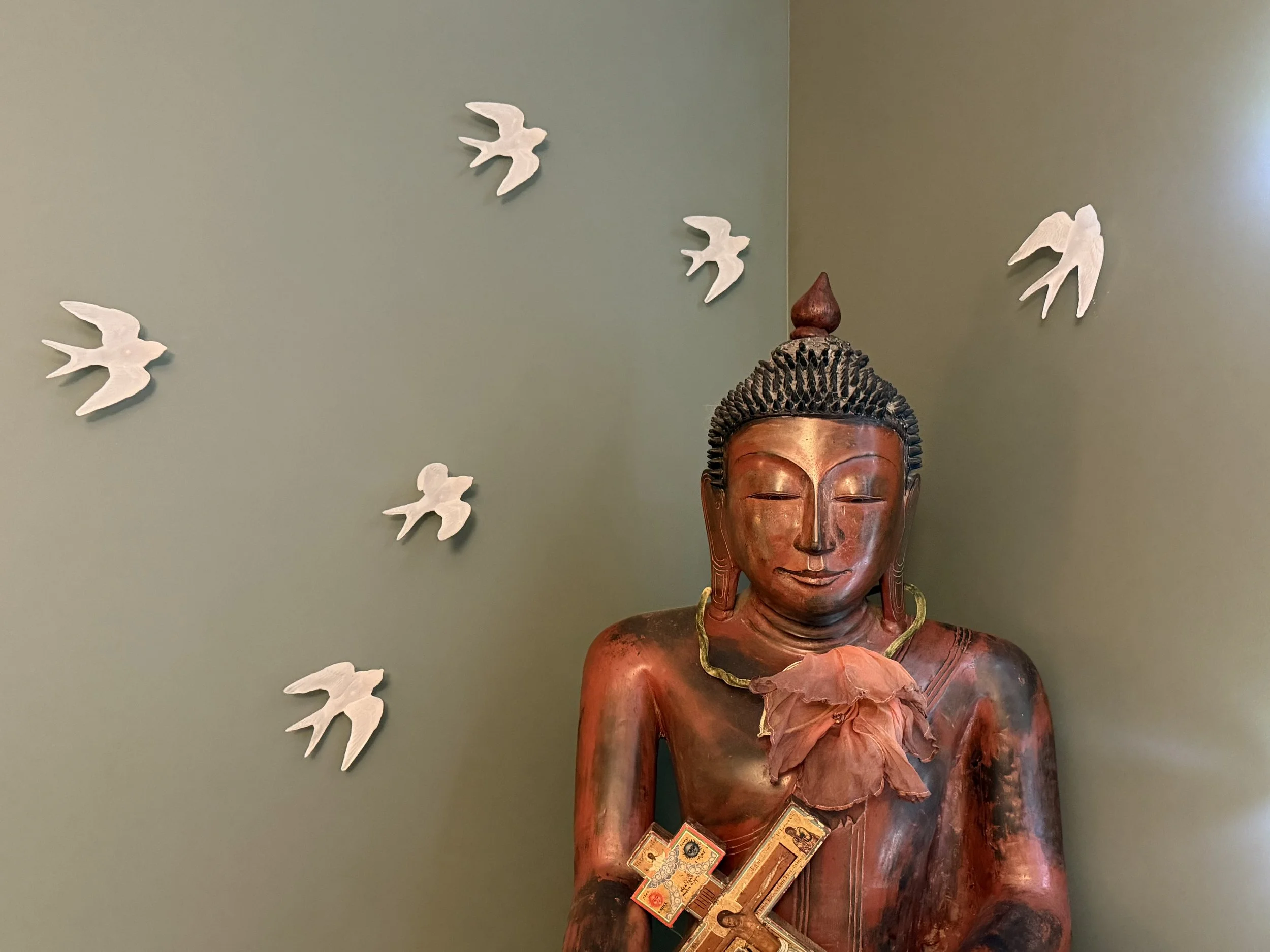
Bows of gratitude to those brave monks in their beautiful orange robes who remind us every day they march of the power of love and compassion.

May you all find your peaceful expression and stand up and speak the truth,

Mag

Mag DimondComment
Speaking Out ... on old age, and beginning again

I feel like a traveler returning from a long journey back to a place that is dear and familiar to me. The place of writing my mind. It has been too long that I’ve been quiet. Why quiet?

The answer to that is a long one: having let my book Bowing to Elephants go, as in flying from the nest, I lived through the pandemic, the beginning of another book - this one on food - and I fell and suffered a serious leg fracture, attempted to have good will through recovery process, and then for some curious reason began to look at the unsatisfactoriness of my life as a single old woman living in the city in an old house with lots of stairs. The solitary quality of my life wore on me and I became sad and discouraged.

A beloved meditation teacher pointed the way to life in a “zen inspired adult community” in Sonoma County that might just be a good fit for the kind of person I was. And lo and behold, 6 months later or so I found myself offloading a huge amount of material possessions, watching my dog go blind and then die, and ultimately moving out of my cherished old home in Russian Hill and motoring north to Healdsburg where this spiritually-inspired community was in its second year, full of lively, impassioned, kind older humans. I have been here almost a year now and I believe I couldn’t have made a better choice for myself. I feel “at home” even surrounded by almost 300 folks who are all navigating the last chapter of their lives.

I take many different classes, I lead a writing group, I volunteer with memory care patients, I walk outdoors every single day, I sing, I even dance (never thought I would), and go to local peace demonstrations. I am busier than I have been in a very long time. While I still miss my beloved city of San Francisco, I am coming to love the cozy quality of this rural small town. It is safe here. It is kind here.

I don’t believe I’m living in a bubble though I’m in a somewhat idyllic landscape. I’ve connected with a knitting community of women. I have offered support to a local art gallery. And perhaps most importantly, I have become active in donating to and raising the visibility of the Healdsburg food pantry. People are hurting everywhere in this country now, even in the rarified geography of northern Sonoma County. We must do what we can when we can. My Buddhist teachings remind me time and time again that we are all interconnected and thus must respond to our neighbor’s suffering. And so I do. And so do many of the residents of Enso Village - my new home.

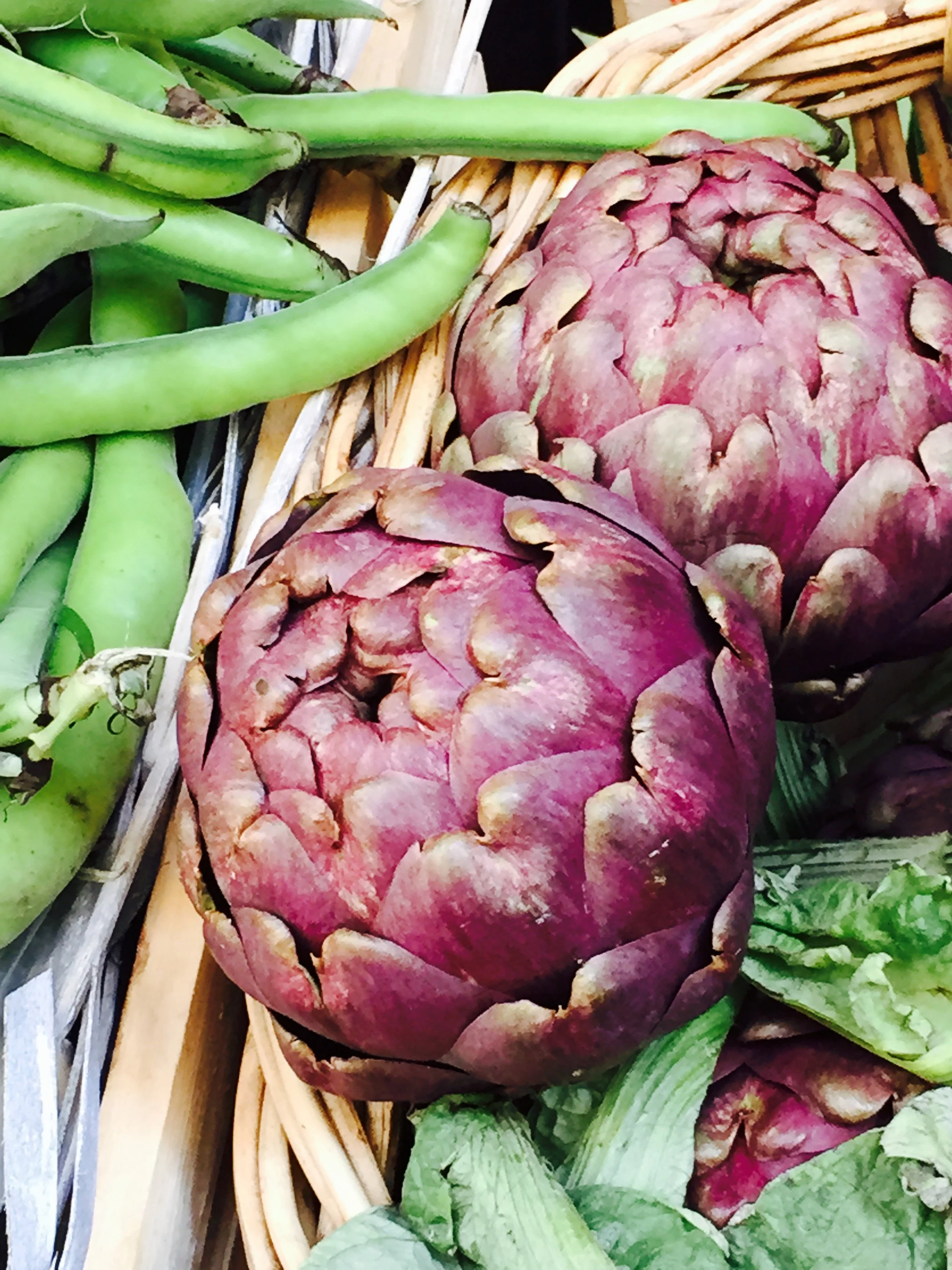
This new life is rich and inspiring and I’m full of gratitude for having reached this 80th year and for being able to stay engaged with the world. I am going to return to regular blog writing, perhaps even start up my podcast again. And, I’m writing a third book, about my venerable grandmother, my hero. The second book called “Artichokes and Scrambled Eggs” has not found a publishing destination yet and is currently resting on the shelf,. This third book is a story of my grandmother told from multiple points of view. As I age, my grandmother’s story becomes more and more compelling to me. And we must listen to those inner voices of ours reminding us of what we love most. I have the spaciousness in life now to devote time to getting my words out there, which has always been part of who I am.

I love all my readers - have always loved my readers - and I hope you will come along with me on this new and inspiring journey of old age, creativity, and adventure!

Thanks from the bottom of my heart for your interest in my words,

Mag

Mag Dimond
Shortening The Distance Between Ourselves With Our Stories

We’re moving into fall, my favorite season of the year, that time where we get to slow down and reflect a bit more, perhaps. I invite you to consider two pieces of wisdom I’ve come across lately that I feel are mysteriously related and see where that reflection takes you.

First, from a fellow writer who was preparing a proposal to teach an academic course: “We shorten the distance between ourselves with our stories.”

Next, from my recent meditation retreat, this quote during a dharma talk: “I don’t know the word for it, that space between seconds, but I’ve come to understand for myself that it’s the punctuation of my life. Between each word, each thought, each moment, is where the truth of things lies …” (from a Native American elder).

One of our most deeply ingrained urges is to bring together our minds and hearts—to bridge the gap, in a way…. and yet it appears we humans seem to be handicapped by dualistic thinking and attachment to identities of all kinds: cultural, racial, or spiritual. Without realizing it, we categorize and judge others (duality) on an almost daily basis and without a great deal of conscious awareness - and then we hunker down in our respective identities, gathering with other of own race, preferences, or religion, separating ourselves from those who don’t belong to our clan.

Though we humans belong to the enormous tribe of humankind, depending on one another for sustenance and information and support, we often don’t know how to operate in our own best interests.

Telling stories, whether we speak them aloud, sing our songs, or write them down, helps us to get closer to our fellow beings, revealing the workings of our minds and hearts. Just look at people in cafes or airports or standing in line for a flu shot or a coffee – people are inclined to chat, to visit, often sharing something specific about their own lives, weaving tiny threads of connection. There is comfort in this. Connection. Young, old, middle-aged, male, female, black, brown, and white – we want to be reminded that we exist in communion with others.

And while all this incidental chatting is going on, people are killing each other by the thousands in far flung parts of the world like Israel, Ukraine, parts of Africa, Burma, and the list goes on. To fully absorb the enormity of these atrocities is impossible, the grief in the massive cruelty and loss of life is too epic, but time and time again our conscience forces us to witness the tragic loss of life and say to ourselves: why? 

Precisely – why?

I’m not well versed enough in the provenance of these diverse conflicts to articulate any coherent logic, and sometimes I want to hang my head and weep for all the losses, and I keep coming back to the thought that: hey, we’re all human, tribal creatures, and people in tribes need one another to survive, so why can’t we embrace our commonality, our shared aspirations and visions -- peace and love, fostering the family and community? There’s a security in building community, isn’t there? Human beings need safety, as do all our counterparts in the wild. And yet, and yet … Too much ancient hatred, judgment, and entitlement prevail.

That “space between the words” that the Native American elder referred to strikes me as a fresh new way to look at the tangled and hate-filled landscape we see too much of now.… What if in that “mysterious and silent space” lies the deeply felt human inclination to unify with our fellow beings, to find a way to see our uniqueness and our sameness all at once? I think I see it lurking there in our species, silently waiting to be heard, sort of like our continuing heartbeat. What could happen if more in the world would pause, take a breath, and listen to that heartbeat, that affirmation of this precious human life? It is here now and then it’s gone before we know it...

And I believe we have a choice.

As I navigate my way through the revising of my second book, I feel heartened that I’m doing my work in the world - to tell stories, to reveal myself and foster connection with readers whoever and wherever they are. We have to start with ourselves, don’t we? Have you thought about how you build a life that keeps you connected to your fellow beings?

Sending much love and appreciation for your continuing forbearance and interest in my words over the years. May this beautiful fall be a time of peaceful reflection, of coming together with others and finding gratitude for this amazing opportunity to be alive.

Mag

P.S. Photo by Dariusz Sankowski via Unsplash

Mag Dimond
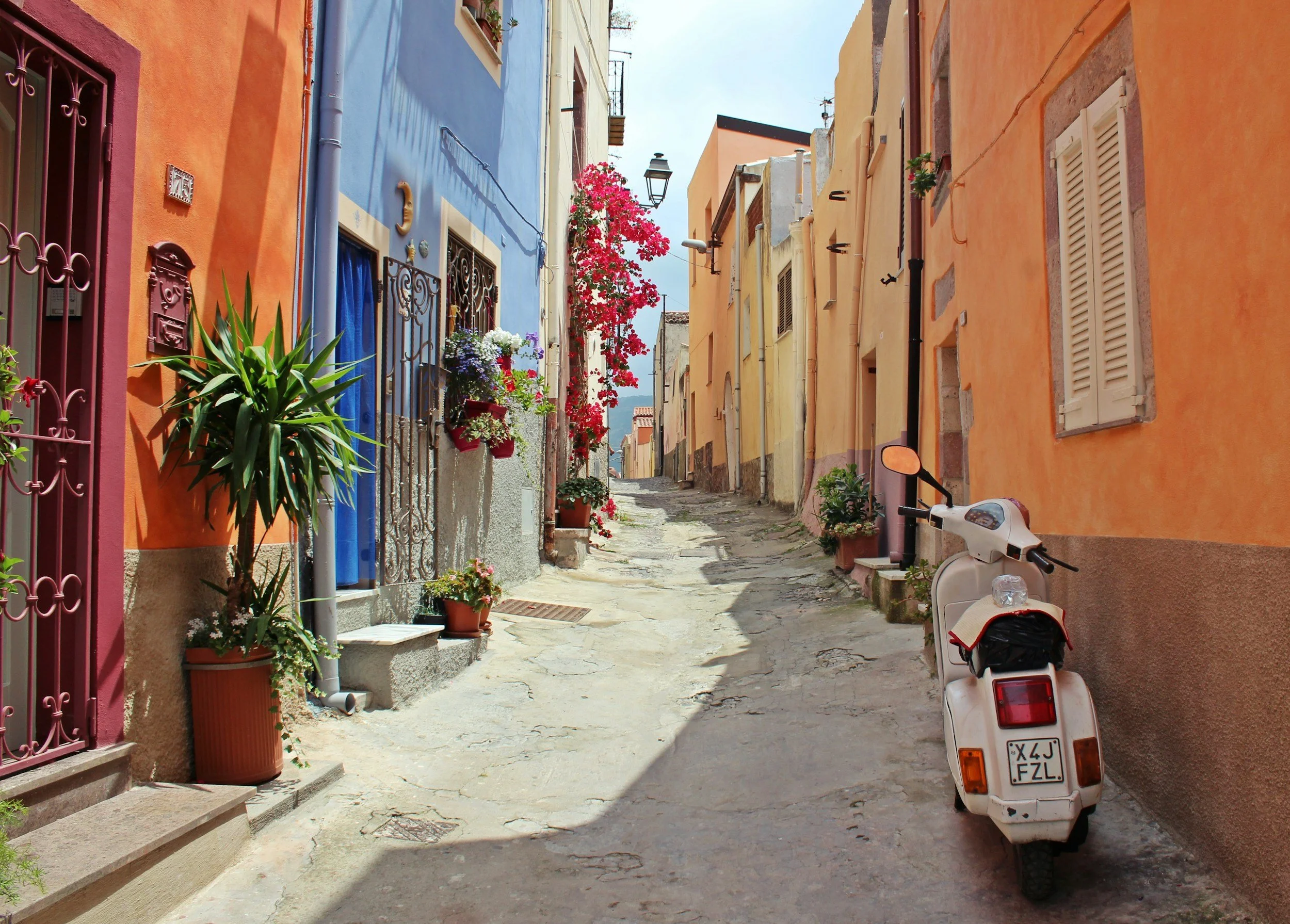
Back To Italy and Then On The Way To A Meditation Retreat

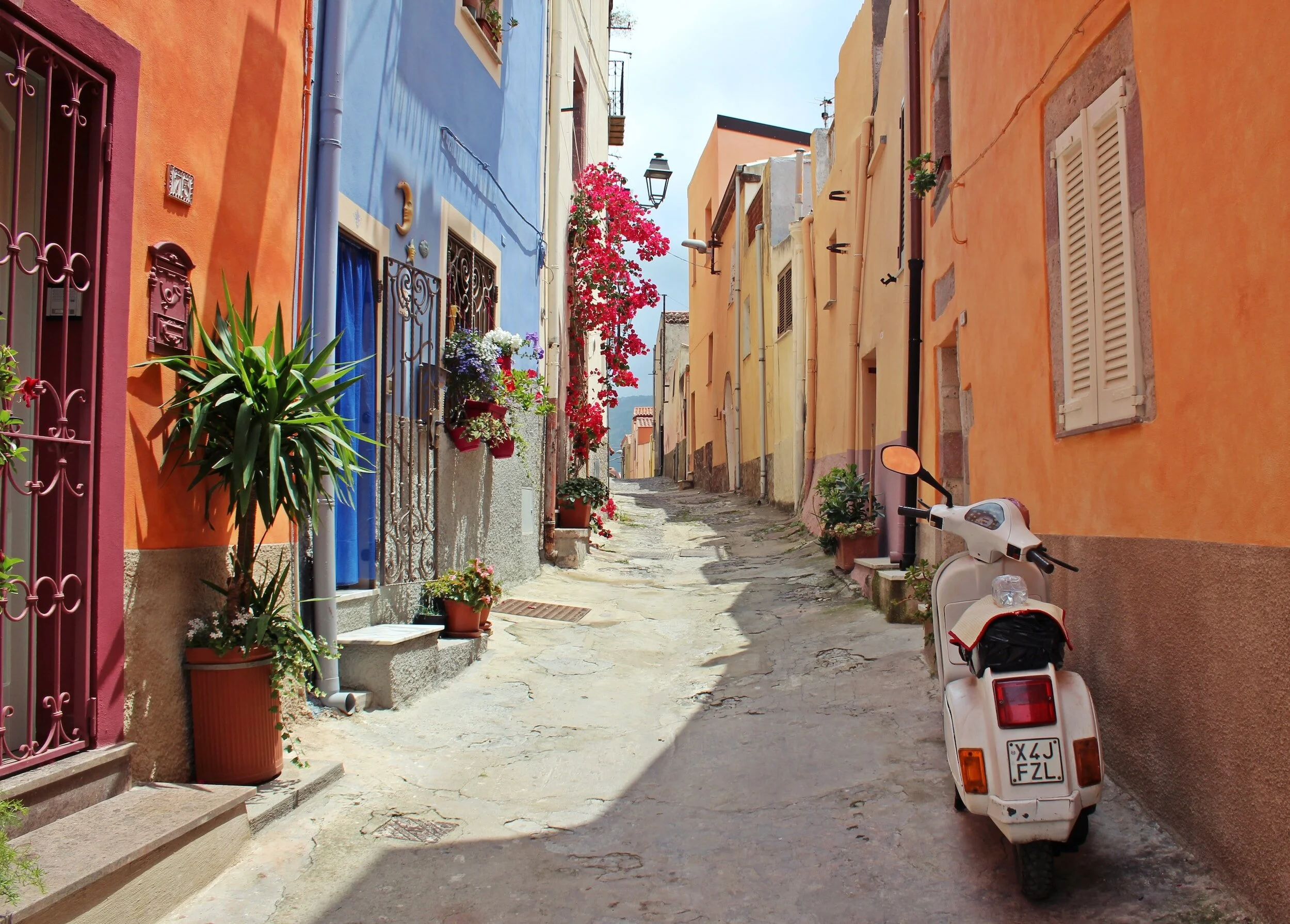
Suddenly it’s September and I’m finally taking that trip to Italy that I was “supposed to” enjoy last year.

You may remember, dear reader, that least year I broke my leg in two places, needed a surgery, and then a bit of rehabilitation. But thankfully I’m mending and now wending my way through Italy, a country that I simply adore.

Then upon my return, I’ll be spending some days at Spirit Rock Meditation Center as it’s been awhile since my last retreat.

For now, it’s delicious sights, sounds, and food (of course).

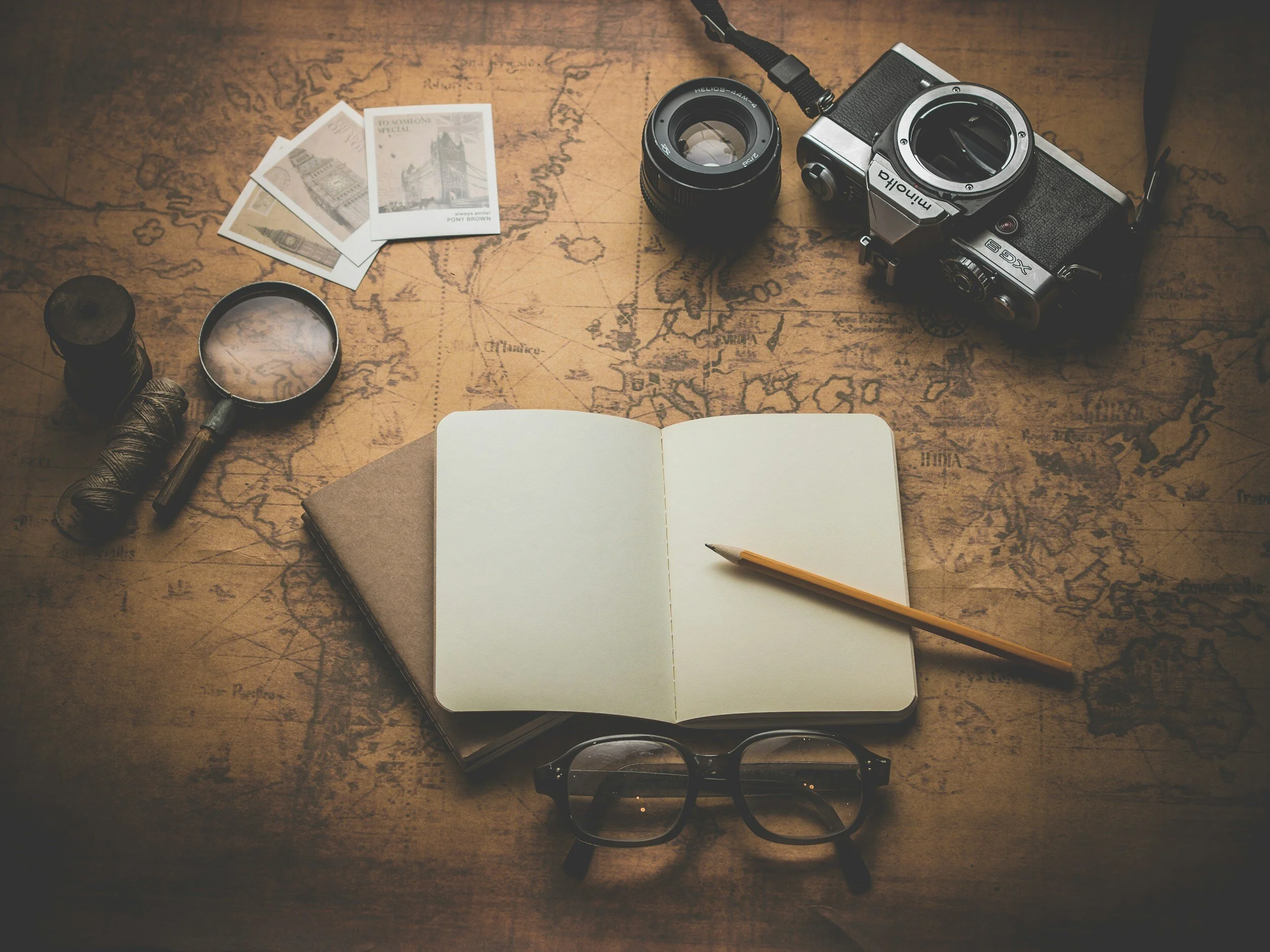
I’m taking lots of travel photos which I’ll share down the road. And my trusty writing journal is always at the ready.

See you next time!

Mag

P.S. Photo by La So via Unsplash

Mag DimondComment
Two Books, Two Women, and Some Timely Truths

I had the great fortune to discover two very particular books I want to shout about. I was taking a much-needed rest from many months of work on my second book, and I knew that reading good books was exactly the medicine I needed, along with playing Bach’s music on the piano, and taking frequent walks with my precious dog Peaches.

These two works are both written by women, one known one unknown, they are both about hard truths in our contemporary landscape, they are both brave and innovative in the storytelling. In short I felt both these books demanded some conversation and reflection.

The Worst Thing We’ve Ever Done, a memoir by Carol Menaker, is the story of one woman’s meticulous piecing together of a consequential mistake she made over 30 years ago when she was on a jury that helped to convict a black man, Freddy Burton (aka Muhammed) with unsubstantial, careless, and racially slanted information. Living for decades with her part in this miscarriage of justice weighed on Menaker and propelled her to do the research and write a most authentic story she could, both for herself and the rest of the world.

This small but serious book reads as both memoir and journalistic non-fiction as she attempts to get at the truth of what happened all those years ago in Philadelphia. It’s a piercing and heartfelt account of white privilege and naivete gone wrong; she had lived an insular life in a middle-class Jewish family, was very young when she became a juror in a murder trial, and knew little about the lives of the poor and marginalized people of color who lived in her city.

Carol is a good friend of mine, but this has little to do with my high regard for this beautifully written, honest story of coming to terms with a past that haunted her and pushed her to find the truth so that Mr. Burton might ultimately receive some justice.

Her “moral compass” comes through loud and clear in the pages of this book as she follows leads, writes letters, makes connections that might support Burton’s ultimate vindication. As it turns out her book has lit some fire amongst those who are involved in the the racial justice issue, and some people have come forward to offer her more information as a result of reading it. The story has a life of its own as it should, and in the interests of not giving anything away, I refrain from describing the book’s conclusion.

Why read this, you may wonder, particularly if you’re in search of distraction and clever entertainment as you read your way through the summer? Read it because you’ll get to know a “whip smart” woman whose honesty will inspire you, read it because it will give you hope for the future and make you want to understand more about how we treat our incarcerated people of color. It may very well change your thinking.


Barbara Kingsolver, a well-known American author with many best sellers to her credit, has produced a remarkable “hybrid” book as I like to think of it that has been recently honored with a Pulitzer prize for fiction.

Demon Copperhead, a novel built on the story of Charles Dickens’ classic David Copperfield, tells us about a troubled and irrepressible young boy in Apppalachia who grows up in extreme poverty and neglect with a crippling addiction to opioids.

This boy called “Demon” narrates his own story and keeps you with him as you keep turning the pages to follow his misguided, sometimes comic, but always perilous adventures. His voice is compelling, funny, and tragic, and it’s a voice you will keep hearing in your head long after you close the book. It’s a brave writer who takes on a task like this; the risk of sculpting a novel on a classic work is that you may end up with stale and trite writing that only mimics the original author and lacks the soul of the one who created it.

Kingsolver has not gone in that direction. Her piecing together of Demon’s story is sharply innovative, unique, and fresh, and there are very few times when you wonder where the links to Dickens are, because those links are important and not important at the same time. You will understand what I mean when you read the book. She makes us fall in love with Demon and root for him to find his way out of the drug culture and into realizing his creative potential as a comic book artist.

This “hybrid” book blends two separate (fictional) stories set a long time apart historically and reminds us of the universality of certain well-loved storylines. I’m thinking of the journey of a neglected and forgotten boy toward taking charge of his life as a “hero’s journey” of sorts, a tale that takes the hero through many challenges and life lessons, even to the fringe of the Underworld, the dark land of death, before he discovers his true calling, his personhood, and understands that he will survive.

Demon Copperhead, like The Worst Thing We’ve Ever Done, is about injustice and humanity, courage and perseverance, and about survival, and in the reading we’re reminded of the remarkable gifts of writers who take different kinds of risks to craft the important story we all need to hear. I am grateful for the gifts of these writers as I’m grateful for my own propensity to weave stories and create new worlds for my readers to explore. It’s hard, hard work, and the rewards are both deep and life changing.


Bows of gratitude!


May you have joy in reading this summer and beyond,

Mag


P.S.

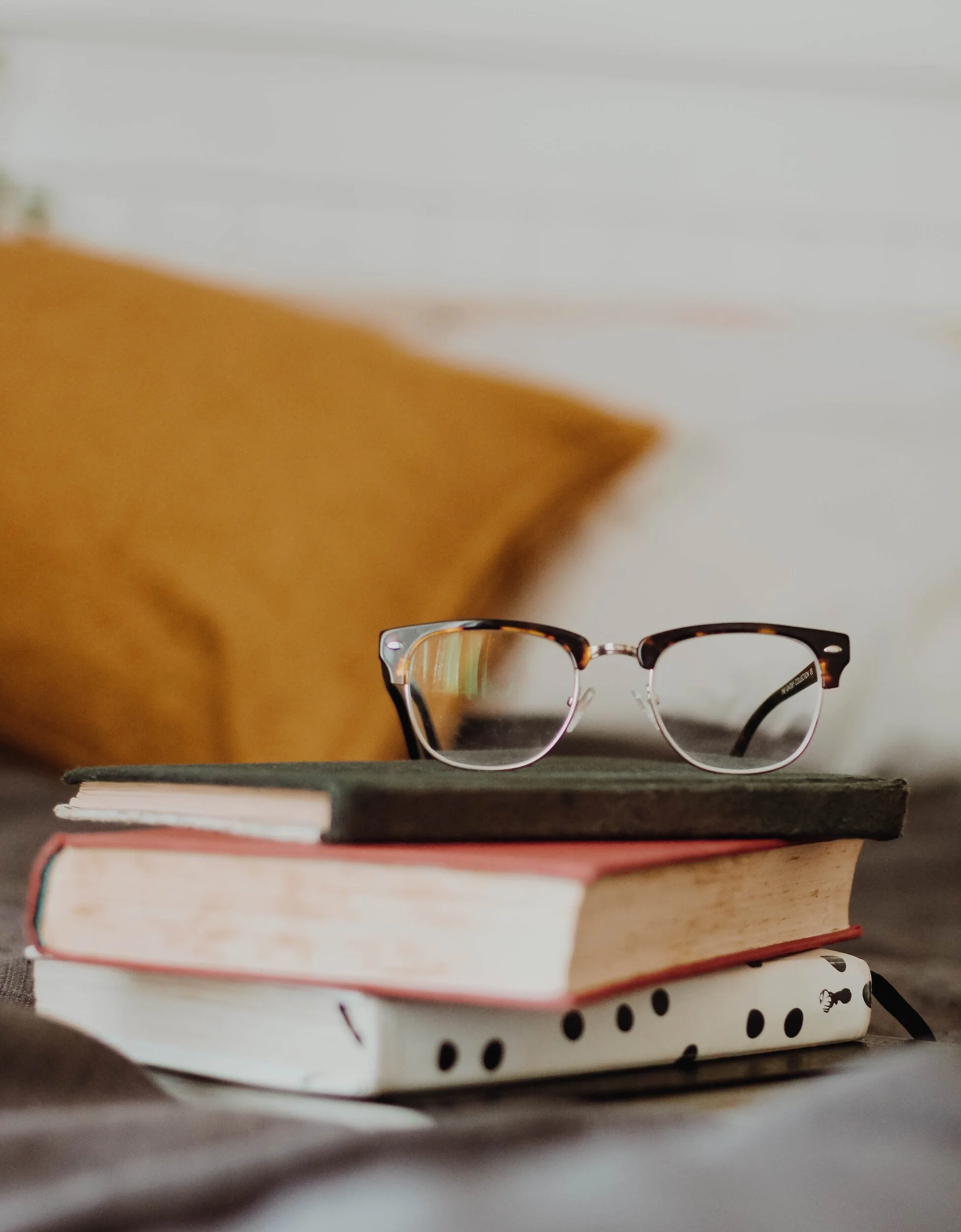
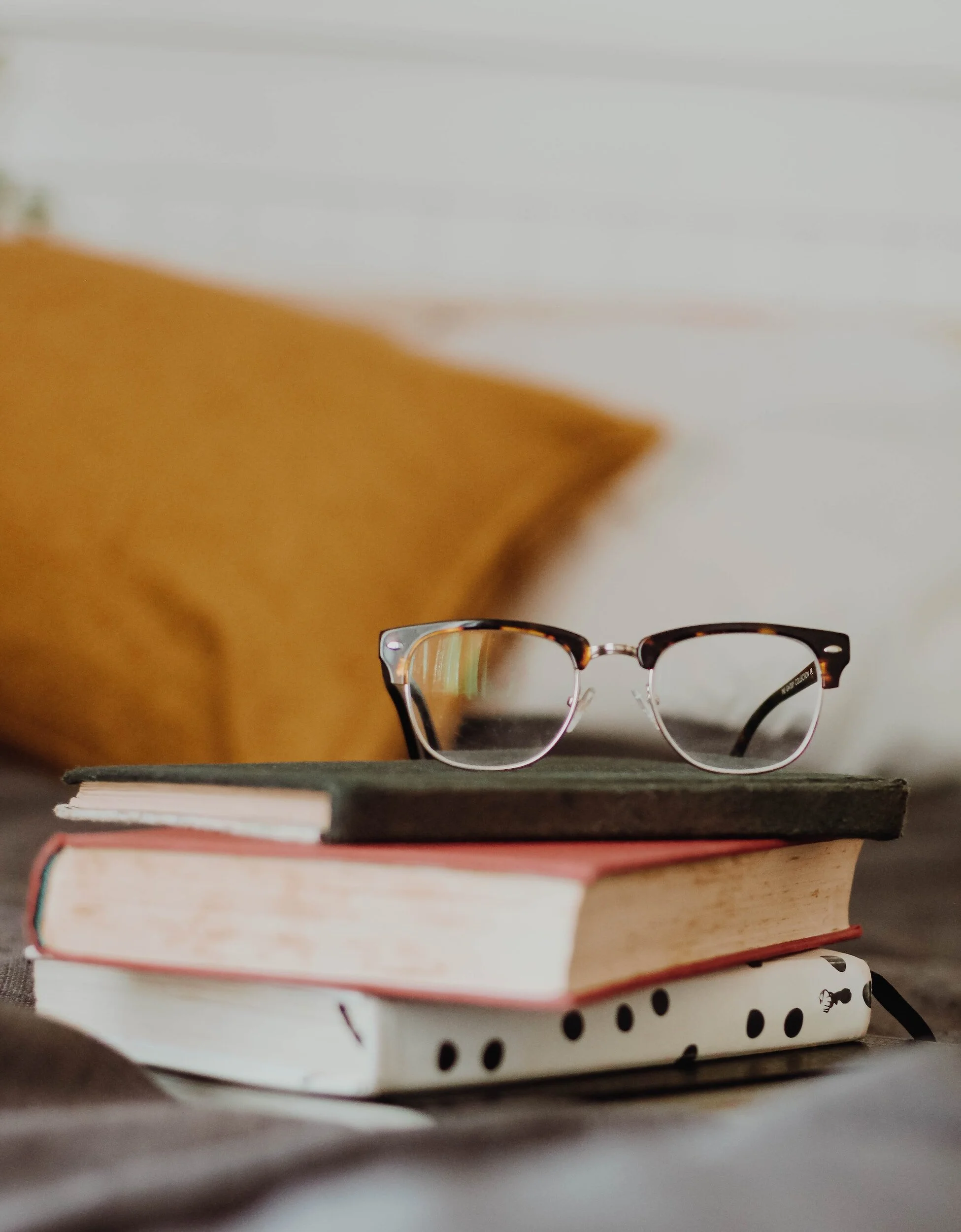
Glasses photo on my blog by Sincerely Media on Unsplash

Mag DimondComment
Aging… and Discovering the End Point (of the Book!)

A lot of changes emerge when we become an elder, some of them pleasant and others not so much. I’ll tackle the pleasant first so as not to put you off right away... 

When I think about elderhood, I like to consider the notion that I (we elders) become wiser as we age. We have a longer and deeper reservoir of understanding about what it’s like to be a mortal. We can talk about books and music and our understanding of our country’s history, and we can safely make pronouncements about human nature when our children come at us with their suffering and confusion. 

We have a more spacious understanding of our lives and what we’ve gained through persevering at life. Finally, we come to understand what is most important in life: love, compassion, insight, kindness, tolerance. This deeper knowledge serves us well and reminds us at this late stage that we have the freedom to make choices often for ourselves alone, while still treating our fellow beings with deep respect.  

Making the choice to write a second book at 77 is a move some might think unrealistic, as opposed to an act of bravery and accepting challenge. I’ve had many conversations with myself about just how long this tome on food will take from start to publication, and will I be too old and without proper energy when it’s out in the world? That’s one of those weird, uncomfortable things about being in your late seventies: you think a lot about how much time is left in front of you. 

You think about it a lot. 

And only when you sit down at your desk and dig into the writing itself do you forget all of that and just live in the land of your words and imaginings. A good place indeed... Until your back starts to ache or your brain becomes drowsy.  

In terms of the challenges, we all have bodies that remind us of just where we are on the old age spectrum, dispelling any illusion that we’re still dancing through our forties or fifties. We are forced then to attend to the body’s wisdom when we feel a cautionary pain in our knee or some mysterious rumbling in our tummy; this body shows us that climbing up on a stepladder might not be a good idea, or racing across the street before the light changes could be risky, or shortchanging ourselves on sleep probably won’t help us feel better at all. 

Our bodies humble us in a way by saying, “Hey, wait a minute, who do you think you are, a twenty-something? Watch your step. Be mindful. You have a precious body to take care of and you are fragile...” Human bodies tell us the truth while our brains tend to lie shamelessly by whispering that we’re not good enough or that we don’t know what we’re doing. 

The Buddhists remind you not to believe everything your brain tells you and I’m a fan of this wisdom. I’ve lived with a nasty inner critic for much of my life, and I really do NOT want to buy what she’s selling much of the time. She may be trying to protect me and keep me from failing, but there is something obsessive and upsetting about her tone and message. I’ve named her Hortense and she has a forbidding wrinkled countenance; personalizing her helps me put her in her place and proceed with my creative work.

We must all find our way back to what our hearts and souls need to do, our work that will perhaps help change the world for the better. Whether it’s writing a book or a song, doing a drawing, making a beautiful garden, or raising happy children – we all have gifts that we must offer. Our challenges will be different, for sure, because we all have different and complicated lives, tested by family life, demanding jobs, a physical impediment, or an annoying prescriptive brain that nudges us relentlessly.

Anne Lamott wrote a terrific book in which she describes helping her son with his science project by reminding him of the “bird by bird” approach, the one-step-at-a-time method. 

This book offers the same counsel to writers, and I would add that it applies to all creative beings. Forget the epic picture and move in “bird by bird” fashion until you find yourself at the stopping point – your ending. I’m happy to say I have just about reached that point with book #2; many pages have been written and I’m now going to start a read-through of the project to fully comprehend what I’ve been saying on paper for all these past months.  

As I pat myself on the back for this I don’t see my guardian/critic Hortense anywhere!

Bows of gratitude to you for reading my words,

Mag

•••

Photo by Rod Long on Unsplash

Mag Dimond Comments